
What is the best solution for a thin lightbox with regard to the "rib pattern" issue that has been reported for AC110V/220V diffused roller light strips?
What is the best solution for a thin lightbox with regard to the "rib pattern" issue that has been reported for AC110V/220V diffused roller light strips?
A common issue arises when AC100V-220V diffused rigid light strips are used in thin light boxes with a thickness of less than 8 cm. The light and dark stripes cast by the light strip create a "rib pattern." The following is a solution that integrates technical principles and practical operations:
Firstly, Core Causes and Solutions
1. Causes of Rib Lines
Direct Cause: The distance between the light strips is too large (greater than the thickness of the light box), resulting in uneven light coverage across the light box surface, creating alternating light and dark stripes.
Aggravating factors:
a: 220V roller bars offer high brightness and a narrow beam angle (typically less than 120 degrees), producing concentrated light and limited penetration.
b: Thin light boxes have limited internal space, which can result in shadows being cast on the soft film by the light beads.
2. Solution:
To achieve optimal results, it is essential to eliminate the light and dark boundaries by reducing the distance between light strips, increasing the light diffusion range, and optimizing the installation location.
Secondly, we will be exploring specific solutions.
1. Change Light Source Type: Diffuse reflective light strips are preferred.
a: Applicable Scenario: Light boxes with a thickness of less than 8cm (such as ultra-thin advertising light boxes and window display cabinets).
b: Advantages:
Wide beam angle (160-175 degrees), light is evenly diffused after multiple refractions through the lens, avoiding glare.
Can be tightly arranged: The spacing between light strips can be reduced to 2.5-5cm (common roller shutter light strips require >8cm), eliminating streaks at the source.
c: Example: For a 5cm thick light box, using diffuse reflective light strips only requires 2 strips per square meter (common roller shutter light strips require 4), reducing costs by 30% and eliminating dark areas.
2. Adjust the installation parameters of 220V rolling light strips.
a: Forcefully reduce spacing:
Light strip spacing < light box thickness (e.g., an 8cm thick light box requires spacing < 8cm).
If the light box thickness is < 5cm, we recommend choosing low-voltage rolling light strips or blockchain modules.
b: Add a soft light layer:
In order to convert the point light source into a surface light source, it is necessary to install a diffuser—for example, a frosted acrylic one—between the light strip and the soft film.
Alternatively, the use of a high-transmittance soft film (e.g., >85% transmittance) can be employed to reduce light refraction loss.
3. Optimize the light bar installation position.
a: Side-mounting instead of back-mounting:
Secure the light bar to the side wall of the light box (not the base). Use side lighting to diagonally illuminate the soft film, avoiding direct shadows.
Applicable scenario: Light boxes thicker than 6cm (the incident angle must be calculated).
b: Raise the light bar mounting surface: Install a support (such as a metal bracket) on the base to ensure a distance of more than 10cm between the light bar and the soft film, increasing the light mixing space.
4. Technical Support
a: Reducing light strip power: Use medium- to low-power light strips (e.g., 5W/strip) to avoid high brightness that exacerbates light-dark contrast.
b: Staggered Layout: Stagger adjacent light strips at a regular spacing (e.g., 4cm for an 8cm spacing) to disrupt shadow patterning.
Summary:The key to completely avoiding "rib pattern" in thin light boxes is "replacement" or "adjustment":
Replacement: For thicknesses of less than 8 centimeters, the preferred option is diffuse reflector light strips, followed by side-lit counterlight strips and roller shutter light strips. Low-voltage solutions are recommended.
Adjustment: In instances where 220V roller light strips are necessary, it is essential to maintain precise spacing, ensuring it is less than the thickness of the light box. Additionally, the implementation of a diffuser layer is crucial. Side mounting or raising the light strips is also recommended to optimize the installation. Slight residual streaks should be tolerated.
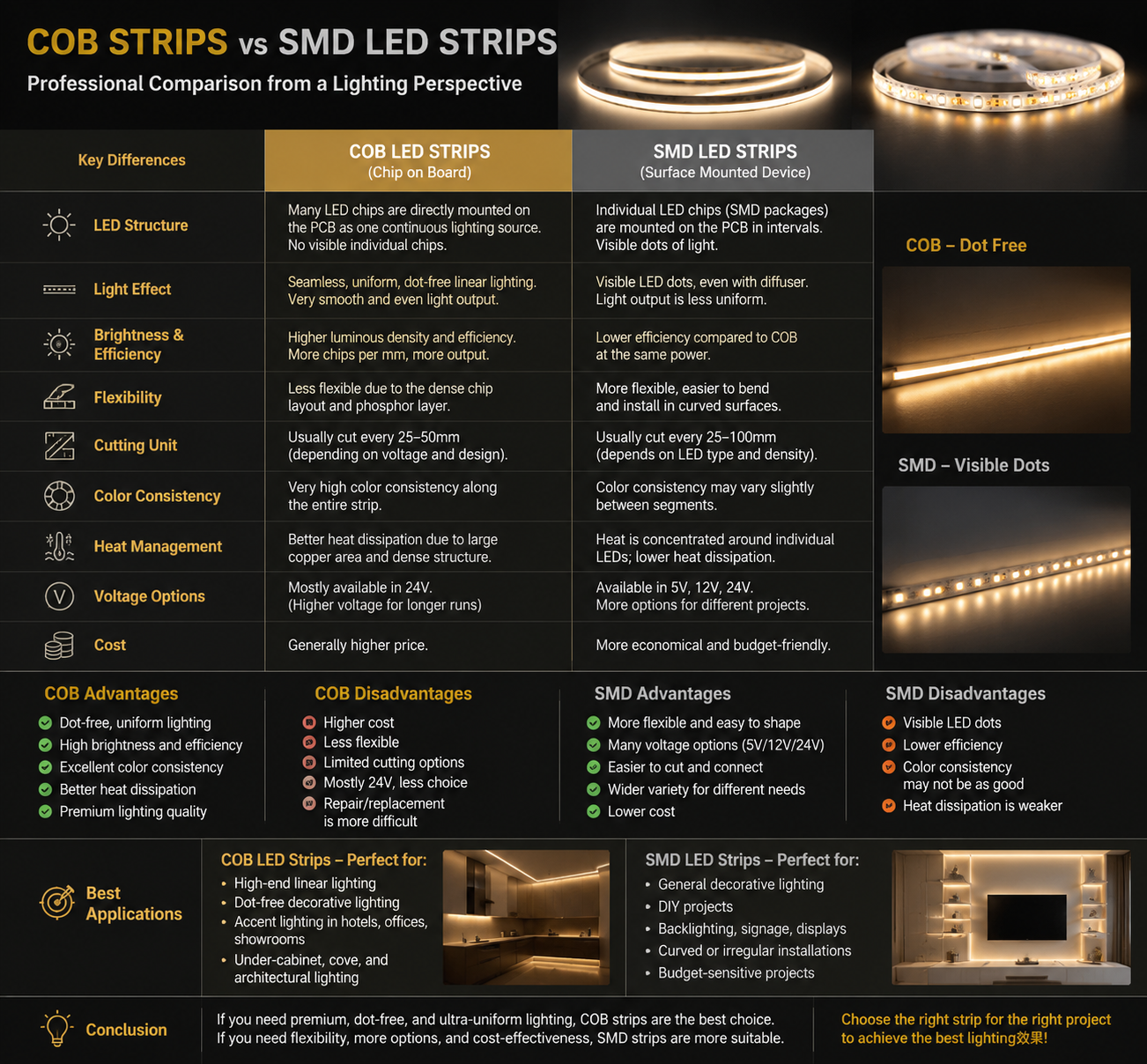 COB LED Strips vs. SMD LED light strips: How to choose the most suitable one in 2026?
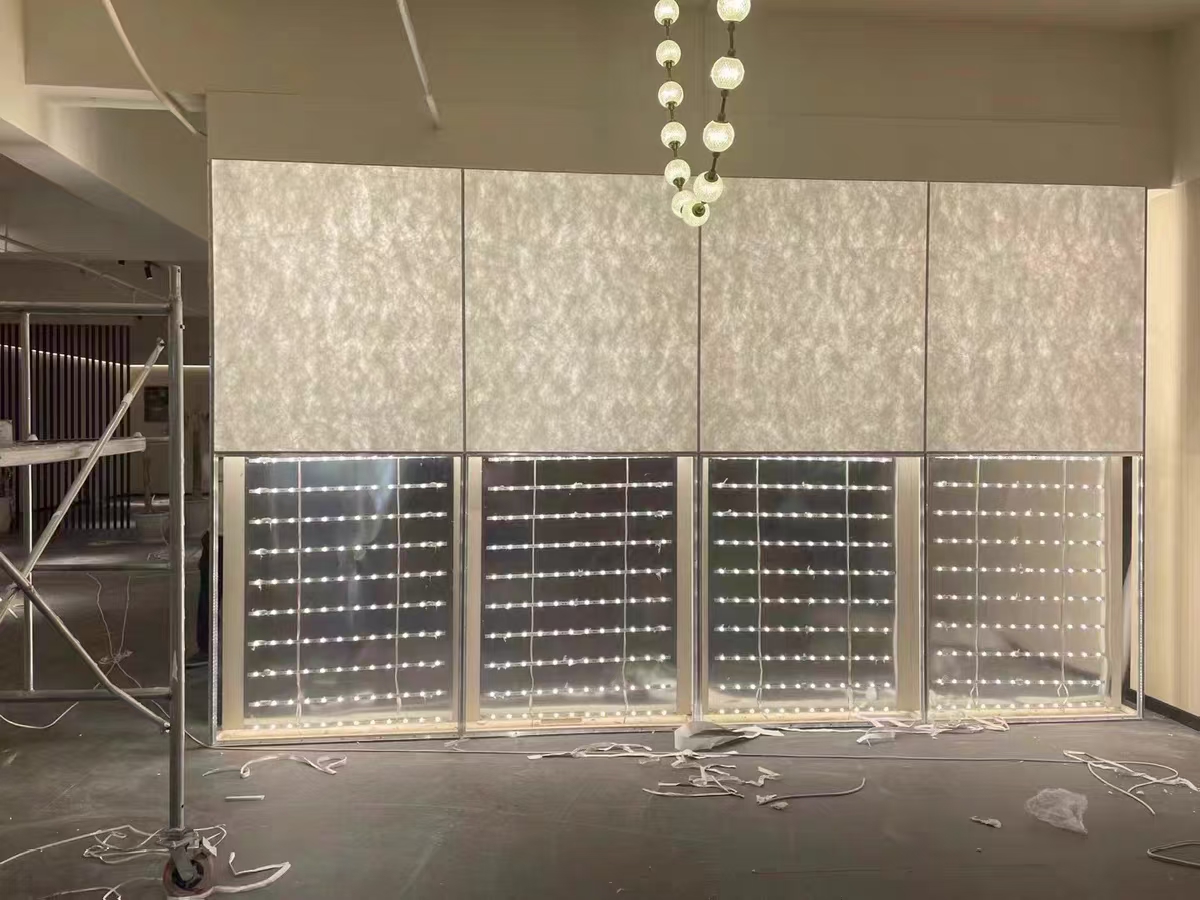 How to Choose LED Strip Lights for Store Display Lighting?
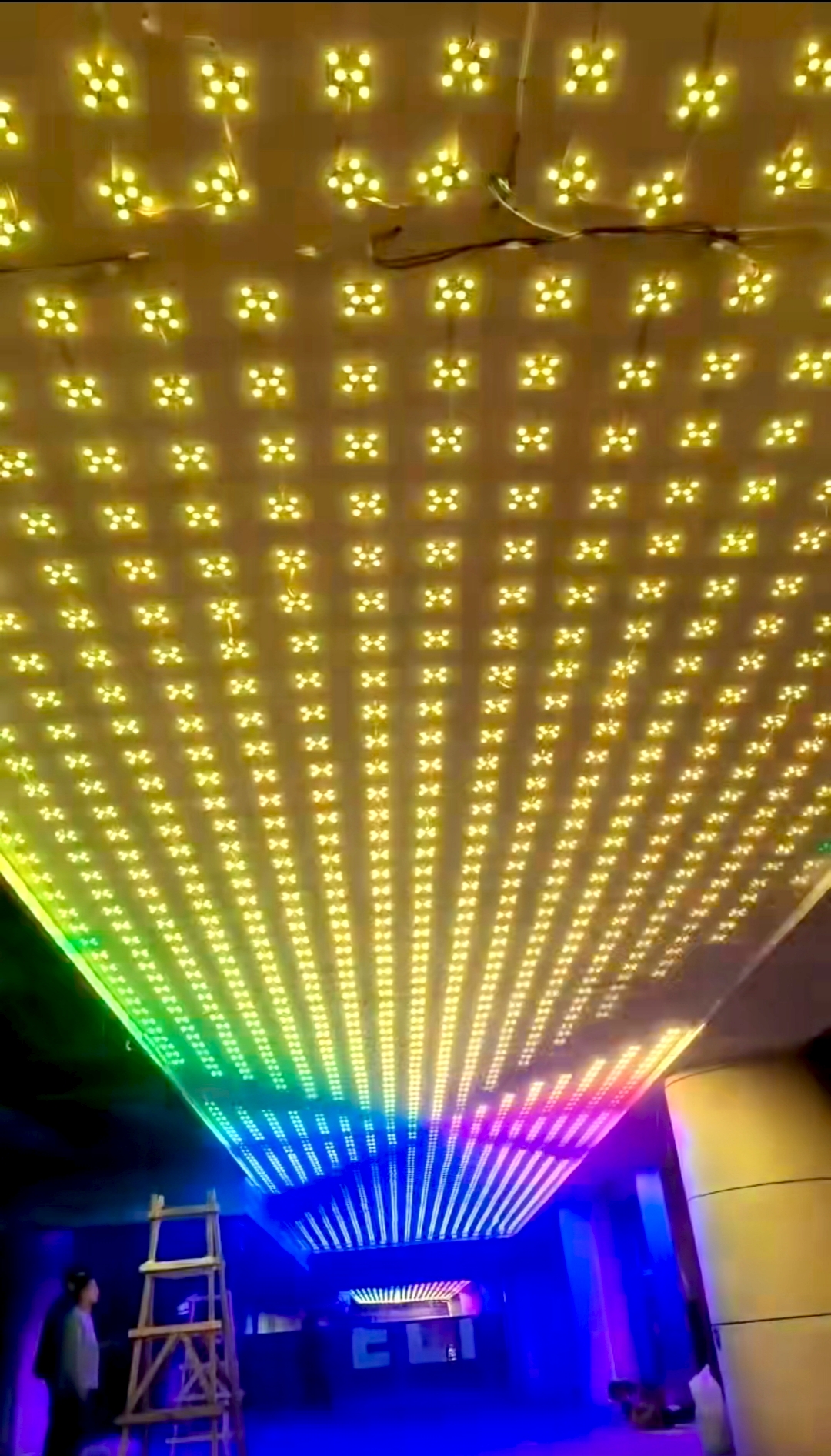 How to choose LED ceiling lighting: A comprehensive guide to LED soft ceiling lighting solutions
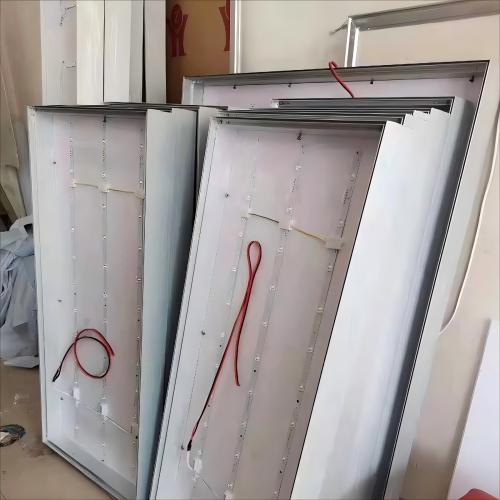 What is the best solution for a thin lightbox with regard to the "rib pattern" issue that has been reported for AC110V/220V diffused roller light strips?