
What are the differences between diffuse reflection roller strips and traditional direct led strips?
What are the differences between diffuse reflection roller strips and traditional direct led strips?
Firstly, what is diffuse reflection of lamp beads? What are its characteristics?
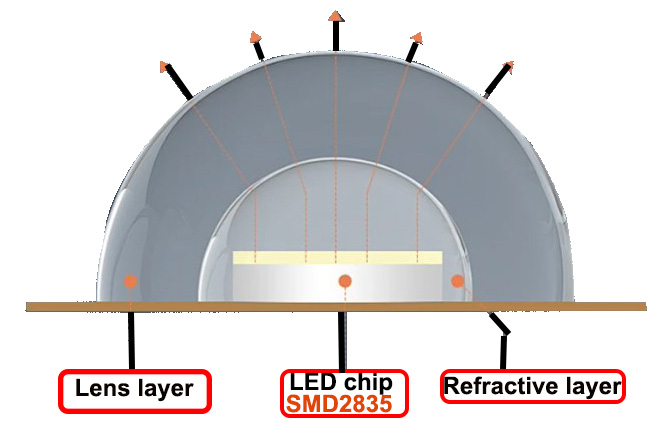
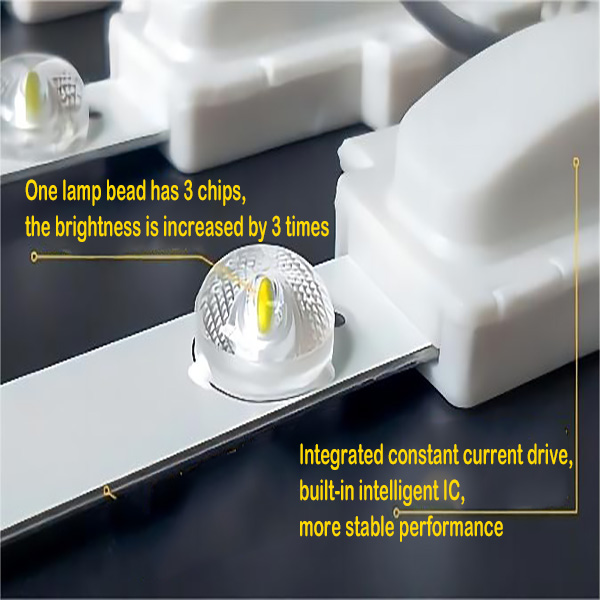
Diffuse reflection of lamp beads refers to the technology of scattering the light emitted by LED lamp beads at multiple angles through special optical design (such as lens or surface treatment) to form uniform and soft lighting. The core principle behind this technology is that when light is irradiated on a rough surface or refracted through a lens, the original parallel light is reflected in an irregular manner in all directions. This effectively eliminates light spots and glare, thereby achieving uniform lighting.
Application scenarios: This product is primarily used in scenarios that demand high uniformity, such as advertising light boxes, soft film ceilings, and subway light boxes.
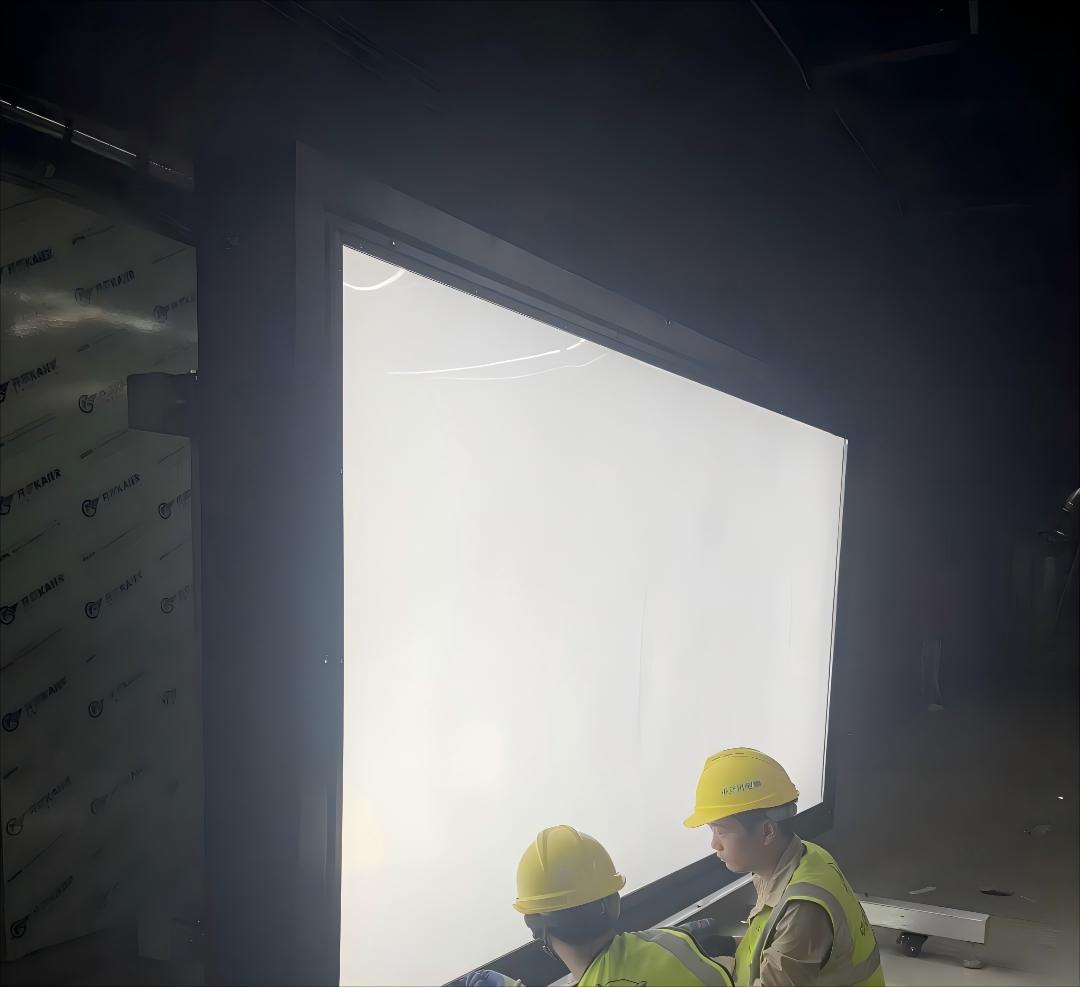
Secondly, let us examine the core characteristics of diffuse reflection of lamp beads.
1. The light is consistent and soft, with no glare.
The light is scattered into a 175-degree wide-angle emission through PMMA optical lenses or nano diffuse reflection coatings. This eliminates the direct light spots of traditional lamp beads and avoids visual fatigue. For instance, in a 3-10 cm ultra-thin light box, it is possible to achieve dark-free lighting, and the color reproduction of the advertising screen is more realistic.
2. This product boasts both high brightness and high energy savings.
- The utilization of high-power SMD3030 or SMD3535 lamp beads (single luminous flux 120-140LM) in conjunction with a high thermal conductivity aluminum substrate ensures effective heat dissipation. This combination enhances light efficiency and reduces energy consumption, resulting in energy savings of over 30% compared to traditional direct light strips.
-
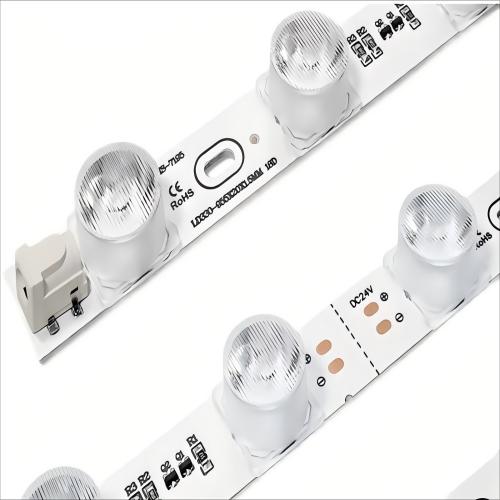
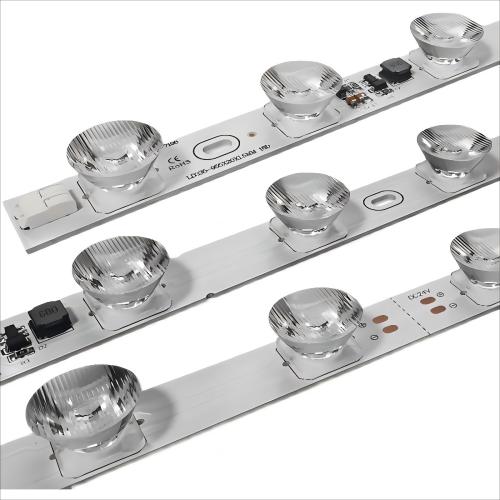
- It supports 12V/24V/220V multiple voltages, making it suitable for a variety of power supply requirements.
- 3. Flexible adaptation and easy installation
- The light strip supports free cutting and spacing adjustment, and can be adapted to special-shaped light boxes with a thickness of more than 3 cm (such as arc-shaped display cabinets, subway light boxes).
- The installation process utilizes a magnetic or adhesive fixed design, enabling a single person to complete the task efficiently. During maintenance, only the damaged section needs to be replaced, ensuring a cost-effective and hassle-free solution.
4. Long life and stability
- The aluminum substrate heat dissipation design extends the life of the lamp beads to more than 30,000 hours (warranty 2-3 years), with low light decay, making it suitable for long-term use.
- The constant voltage drive circuit is engineered to ensure current stability, thereby mitigating issues such as cold soldering and flickering.
5. Environmental protection and diversity adaptation
This product is made with eco-friendly materials and complies with RoHS standards. It can customize color temperatures, such as warm light and cold light, to meet the needs of different scenarios, including commercial displays and home decoration.
Thirdly, let us consider the typical application scenarios.
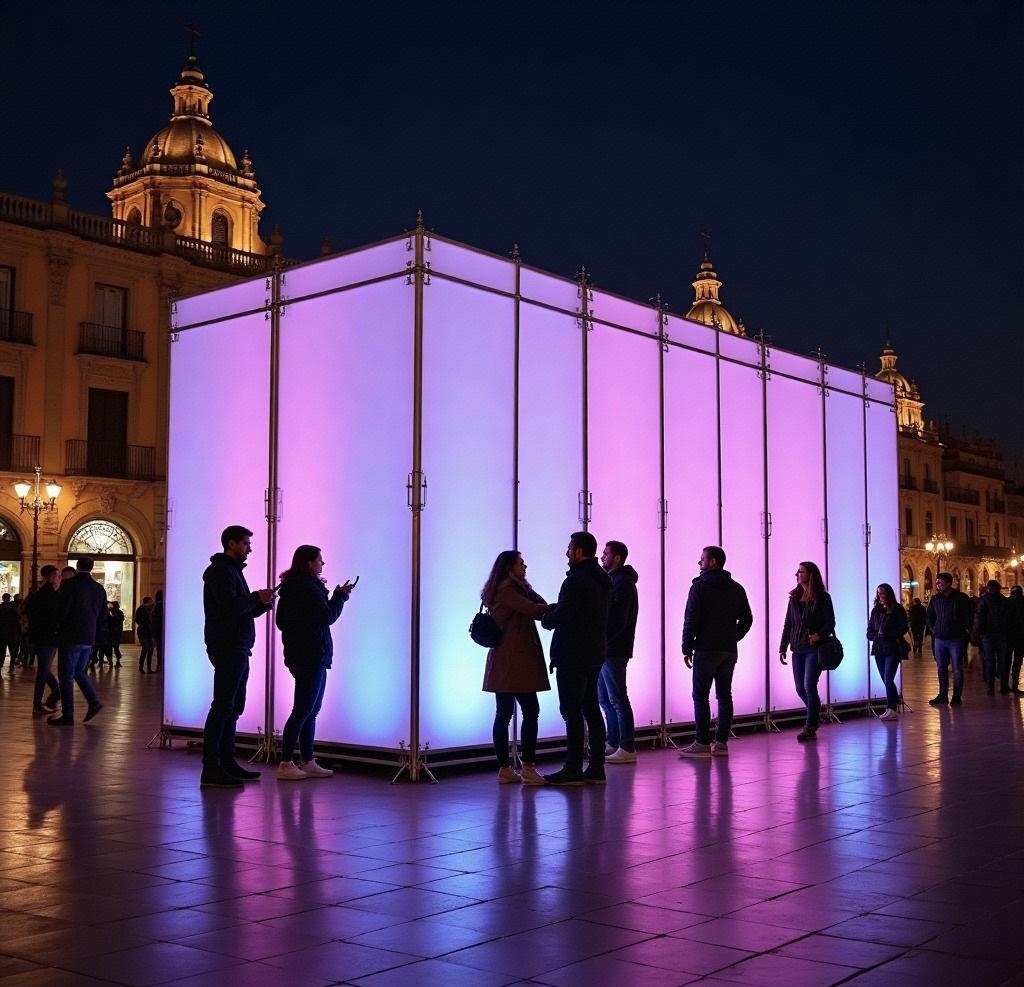
- Improved picture clarity through uniform light is achieved by using subway light boxes and bus station billboards for commercial advertising.
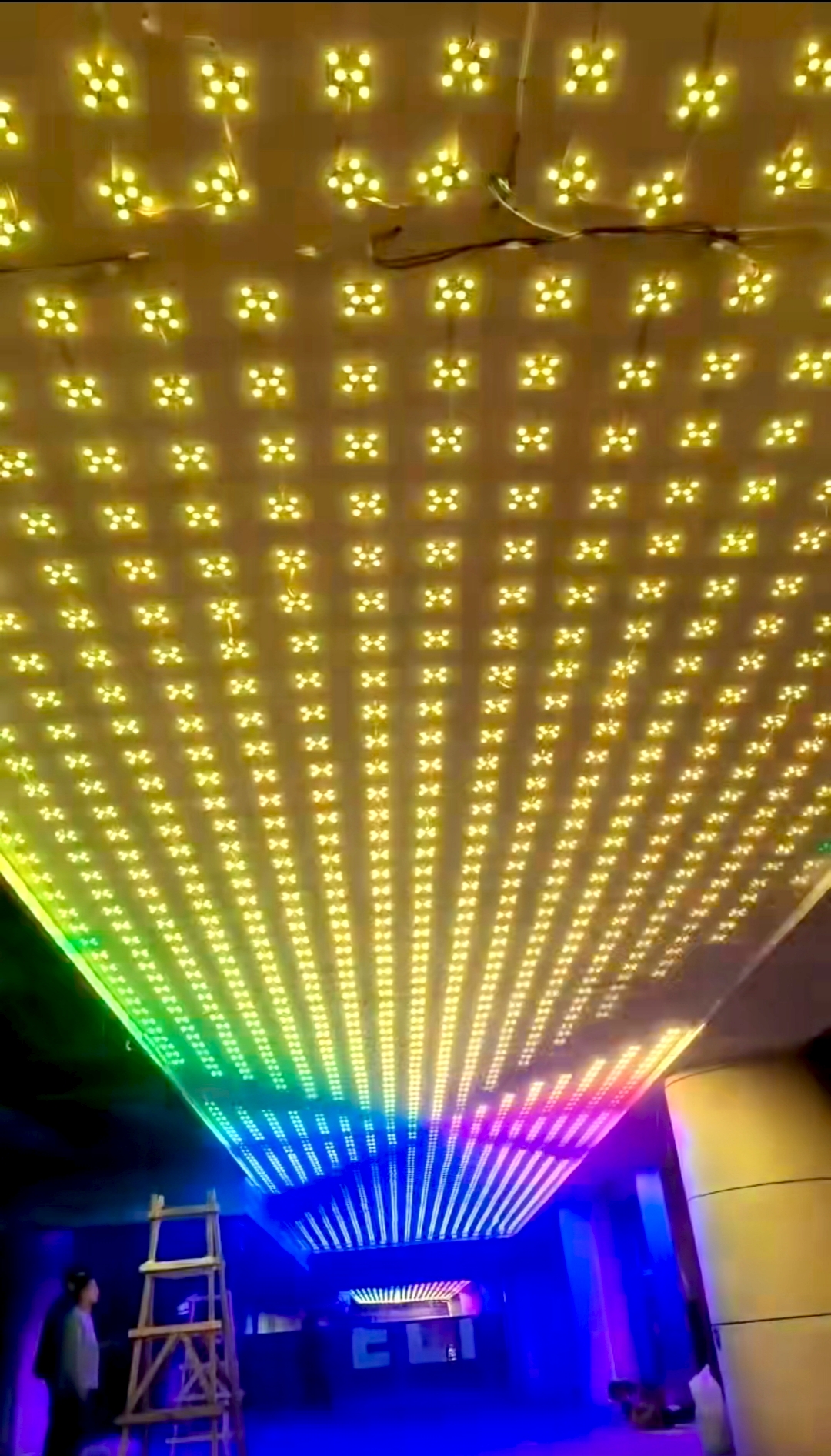
- Indoor decoration with soft film ceilings and hotel walls fosters a comfortable atmosphere.
- Public facilities include high-speed rail platform guidance light boxes, museum display cabinets, and focus lighting.
In summary, the diffuse reflection technology of lamp beads solves the problems of uneven traditional lighting and high energy consumption through optical optimization and structural design, and becomes the preferred solution for modern commercial and public space lighting.
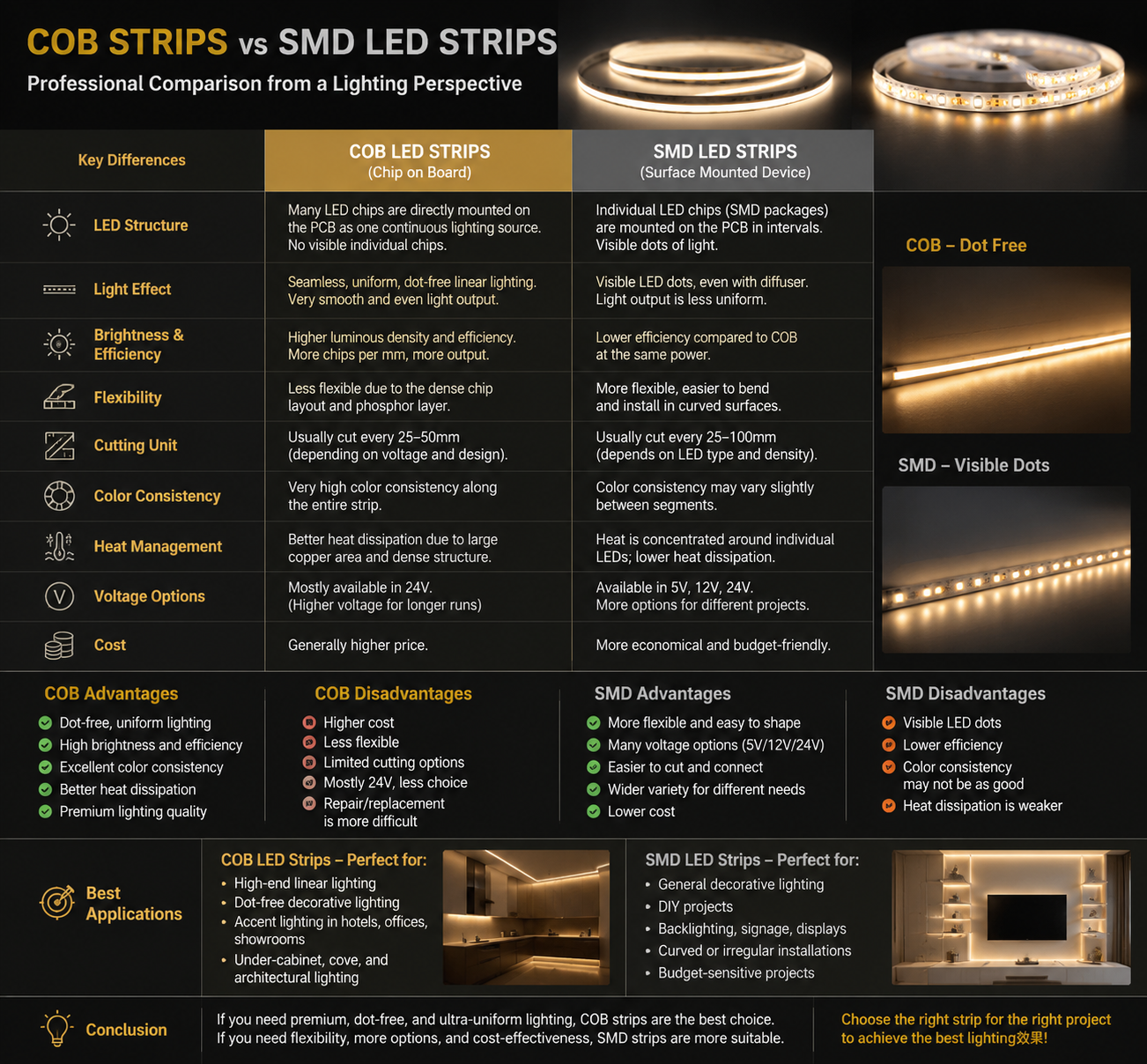 COB LED Strips vs. SMD LED light strips: How to choose the most suitable one in 2026?
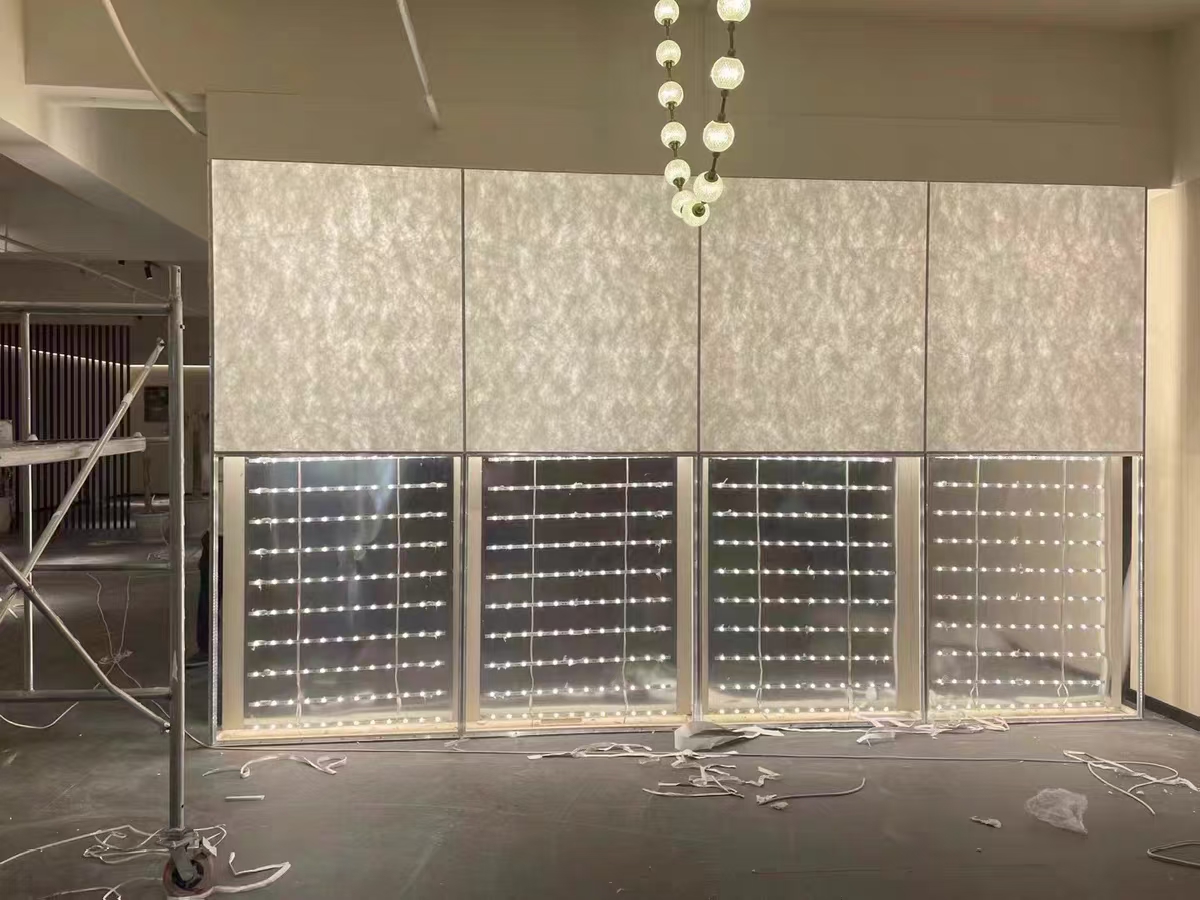 How to choose lighting products for illuminated background walls: A comprehensive guide to illuminated background walls solutions
 How to choose LED ceiling lighting: A comprehensive guide to LED soft ceiling lighting solutions
 What is the best solution for a thin lightbox with regard to the "rib pattern" issue that has been reported for AC110V/220V diffused roller light strips?